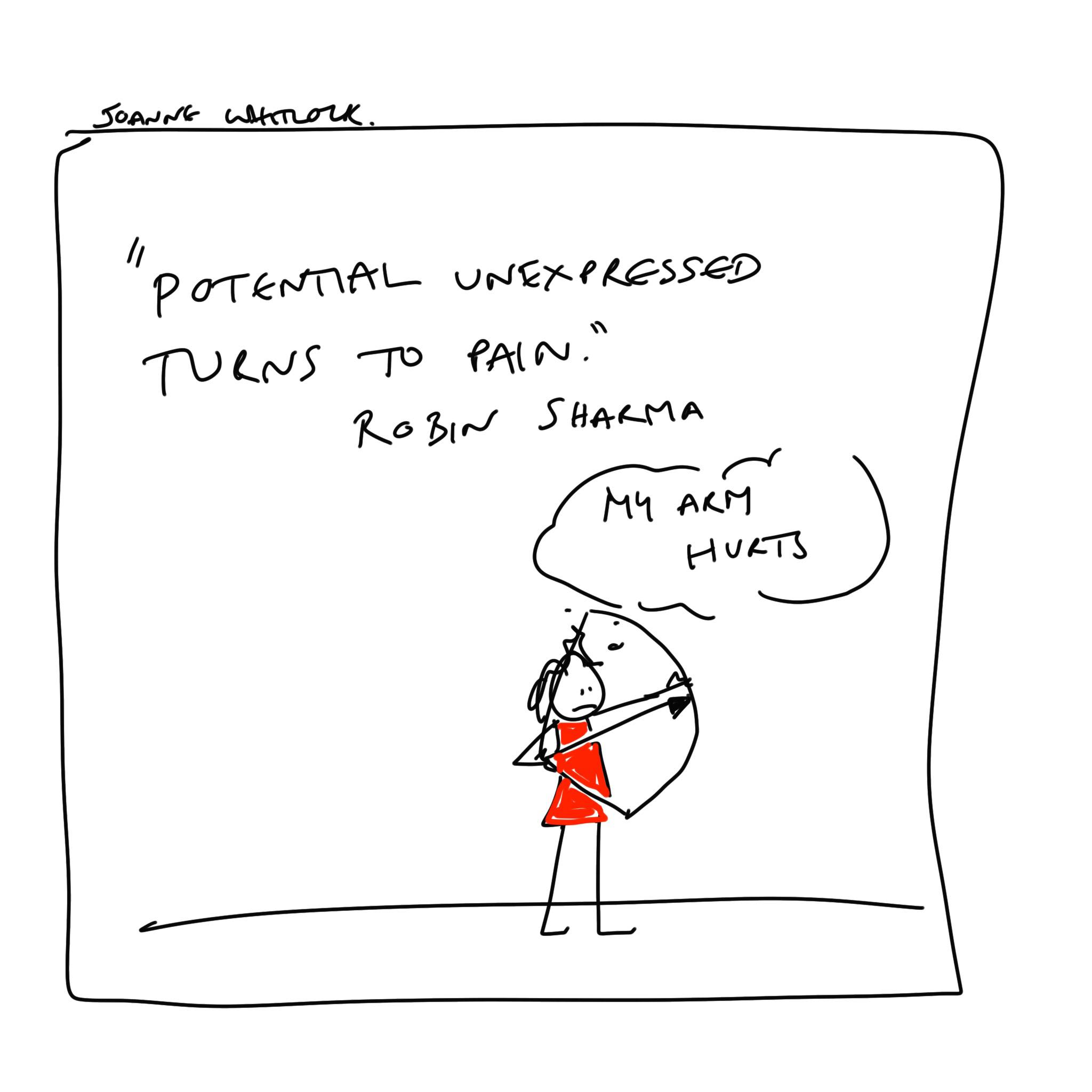
You write good essays. You understand the material. You got into university, you’re clearly not stupid.
But when you’re sitting in a seminar and it’s your turn to speak, your mind goes completely blank.
Or worse – you know what you want to say, but you can’t figure out how to actually say it. By the time you’ve worked out your first sentence, the discussion has moved on.
And you’re sitting there thinking: What’s wrong with me? Why can I write this stuff but not say it?
The Disconnect Nobody Explains
Here’s what nobody told you: essay writing and seminar participation are completely different cognitive processes.
You can:
- Research thoroughly
- Organize complex ideas on paper
- Write clearly and persuasively
- Edit and refine your thinking over time
None of that helps you when you need to:
- Formulate thoughts in real-time
- Interrupt politely to contribute
- Track the discussion while thinking of your point
- Recover when you lose your train of thought
- Handle everyone looking at you while you think
These are different skills. And nobody teaches them.

It’s Not About Confidence
You’ve probably been told you need more confidence. Or to “just be yourself.” Or to stop overthinking.
Maybe you’ve even tried that. And it didn’t work.
Here’s what I learned after 20+ years teaching communication skills and struggling with this myself:
Confidence comes FROM competence, not before it.
When you don’t know HOW to:
- Find an entry point into an ongoing discussion
- Use transition phrases to connect your idea to what’s been said
- Handle the moment when your mind goes blank mid-sentence
…telling yourself to “just be confident” doesn’t help. It’s like being told to “just swim” when you don’t know the strokes.
What Actually Works
Participation isn’t one skill. It’s at least 32 different abilities across four areas:
Language Skills – The mechanics of clear verbal expression (eliminating “um,” pronunciation, managing your pace)
Thinking Skills – Processing and organizing ideas in real-time (listening while forming thoughts, making connections, recovering when interrupted)
Professional Skills – Navigating academic discussions (knowing when to speak, asking questions, building on others’ ideas)
Creative Skills – Finding your voice and contributing authentically (managing fear of being wrong, expressing half-formed thoughts, handling misunderstandings)
You already have some of these skills. You’re not starting at zero. But you have gaps in others – and those gaps are what’s making you freeze.

Why This Matters
You’re paying £9,250 a year for an education you can’t fully access.
10-20% of your grade might come from participation. But more importantly:
- Seminars are where deep learning happens
- Relationships with tutors develop through discussion
- Critical thinking skills get refined through verbal exchange
- Future opportunities (references, research positions, recommendations) come from being SEEN
Staying silent doesn’t just cost you marks. It costs you opportunities.
What You Can Do
First, reframe the problem. This isn’t about your personality or intelligence – it’s about specific learnable skills.
Then, find the right resources:
The language shift: If you search “help with speaking,” you’ll only find public speaking workshops (which don’t help with seminars). If you search “participation skills” or “seminar discussion skills,” you’ll find more relevant help – including university study skills resources.
University support: Many universities offer study skills workshops or academic skills tutoring. Some cover discussion participation. Worth checking what’s available.
Systematic skill-building: If you prefer working independently and want a structured approach, I created the Speaking Made Simple Workbook for this. It breaks down participation into 32 learnable skills with self-assessment tools and practice plans you can work through alone.
Get support: Some people benefit from coaching or feedback as they develop these skills. Different approaches work for different people.
The key is: there ARE solutions. You’re not stuck with this forever. You just need to know what to work on and how to practice it.
The Speaking Made Simple Workbook is available here: – £19.99, immediate PDF download, designed for independent work