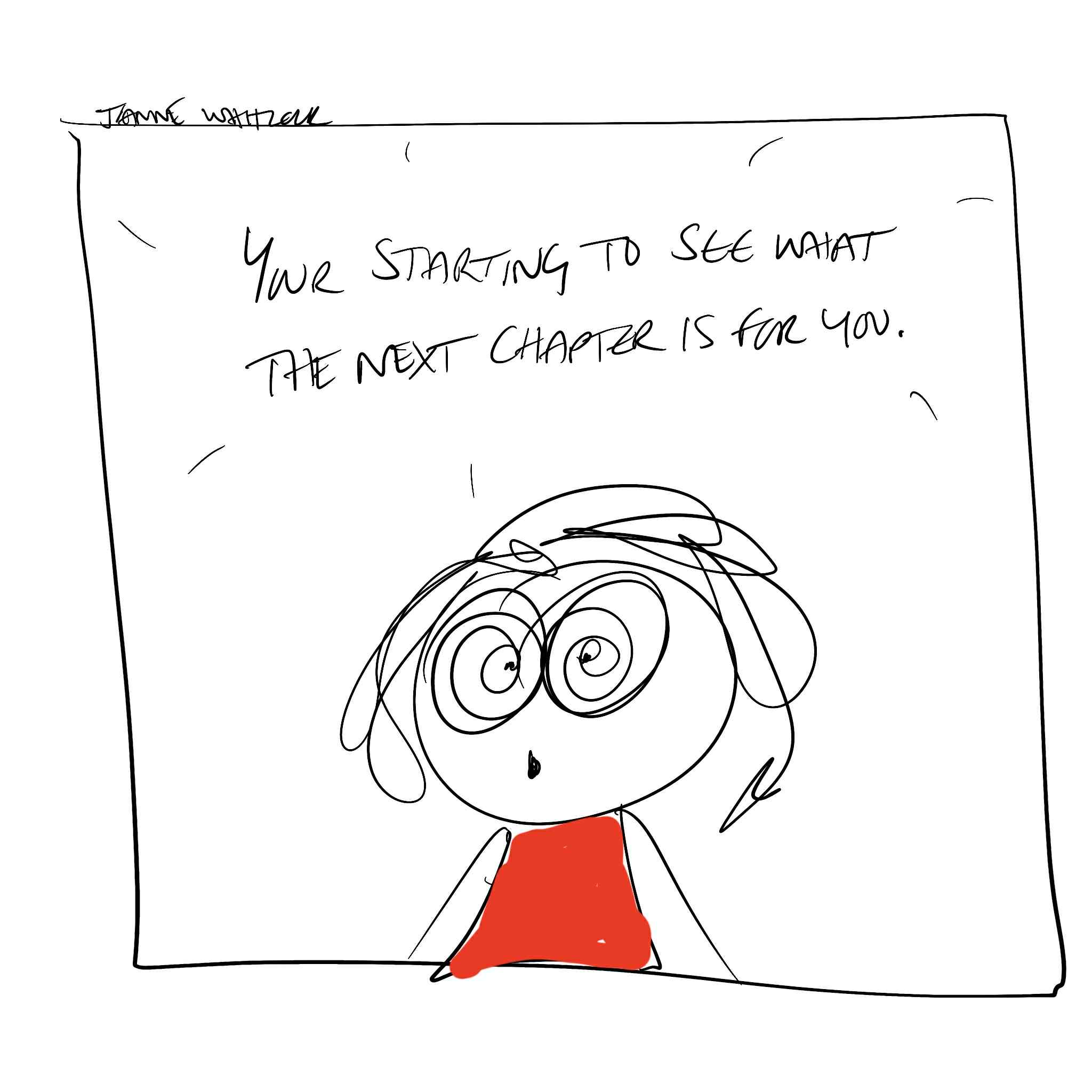
Here’s what happened when I broke down class participation into 32 different learnable skills:
Everyone immediately felt overwhelmed.
“I have to get good at ALL of these? I’m already drowning.”
But here’s the thing nobody tells you about adult success: You don’t need to be good at everything. You need to choose what matters to YOU.
The School Model vs The University Reality
In school:
- The curriculum was fixed
- Everyone learned the same things
- Success meant mastering what you were told to master
- “Good student” = does everything assigned
At university (and in life):
- Opportunities exceed capacity
- Saying yes to one thing means saying no to another
- Success means choosing strategically what to develop
- “Successful adult” = knows what to prioritize
This shift is HARD. And nobody teaches it explicitly.

The 32 Skills Aren’t a To-Do List
When I show the Speaking Made Simple Framework with its 32 building blocks, I’m not saying: “Master all of these.”
I’m saying: “These are the options. Choose what matters for YOUR goals.”
You might need:
- Strong listening skills and meaning-making (Philosophy student tracking complex arguments)
- Vocabulary and pronunciation (International student building fluency)
- Courage and thinking on feet (You know the content but freeze under pressure)
- Structure/clarity and empathy (Your ideas get lost in rambling)
Different students, different needs, different choices.
The Permission You Need
You might be stuck because you think you’re supposed to:
- Fix everything at once
- Be good at all aspects of participation
- Master skills that don’t actually matter for your goals
What if I told you:
“You don’t have to work on everything. Pick 2-3 skills that would make the biggest difference for YOU. Let the rest wait.”
Building a Life Through Choices
This is actually bigger than participation skills.
Throughout university (and life), you’ll face this:
- More interesting modules than you can take
- More societies than you can join
- More skills than you can develop
- More opportunities than you have time for
The students who thrive aren’t the ones who try to do everything.
They’re the ones who get comfortable saying:
- “This matters to me, so I’m choosing this”
- “That’s interesting, but not for me right now”
- “I’m going deep on these three things and staying shallow on the rest”
This is how you build a life, not just a skillset.
What This Looks Like Practically
If you’re working through the Speaking Made Simple Workbook (or any systematic skill-building approach):
Don’t expect yourself to:
- Complete all 32 sections
- Work through it linearly
- Master everything before participating
Do:
- Assess honestly where you are across all areas (you’ll find strengths, not just weaknesses)
- Choose 2-3 skills that would make the biggest impact
- Work on those deliberately
- Let the others wait
Progress isn’t linear. It’s strategic.
The Risk of Choosing
Yes, choosing means risk.
If you focus on “thinking on your feet” and “entry phrases,” you’re NOT working on “empathy” or “cross-pollinating ideas” right now.
That’s okay.
Actually, that’s not just okay – that’s how development works.
You can’t develop everything simultaneously. You choose what matters now, you build those skills, you reassess and choose again.
The students who struggle most are the ones who try to fix everything at once and end up paralyzed by overwhelm.
How to Choose
If you’re looking at participation skills development and feeling overwhelmed:
Acknowledge it: “Yes, there are a lot of components. That’s normal.”
Reframe the task: “I’m not trying to master all of this. I’m choosing what to work on first.”
Ask yourself:
- “If I could improve just ONE thing, what would make the biggest difference?”
- “What skill, if I had it, would make seminars feel less impossible?”
- “What’s blocking me most right now – the mechanical how-to, the confidence, or something else?”
Give yourself permission: “I don’t have to fix everything. Just what matters most to me right now.”
The Bottom Line
The 32 skills framework isn’t meant to overwhelm. It’s meant to show: you have options, and choosing is strategic, not failing.
You’re not behind because you haven’t mastered all 32 skills.
You’re exactly where you should be: learning to choose what matters and build your life accordingly.
That’s not just a participation skill. That’s an adult life skill.
If you want a structured way to assess all 32 skills and choose what to work on first, the Speaking Made Simple Workbook provides that framework.